Στήλη: Travelling-Holidays

Travelling around the world

By George Kollatos, Konstandinos Trigas & Chris Tsarouhis

360_F_65482539_C0ZozE5gUjCafz7Xq98WB4dW6LAhqKfs

SWITZERLAND

Switzerland is one of the most beautiful and well-organized tourist destinations in Europe. It is famous for its breathtaking landscapes, the Alps, crystal-clear lakes, and clean, modern cities.

Natural attractions
• The Swiss Alps offer amazing opportunities for skiing in winter and hiking in summer. Popular destinations include Zermatt, with the iconic Matterhorn, and St. Moritz.
•Beautiful lakes such as Lake Geneva, Lake Zurich, and Lake Lucerne are ideal for boat trips and relaxing walks.

Cities
Zurich: the largest city, known for its museums, shopping areas, and vibrant cultural life.
Geneva: an international city and home to many global organizations, located by a scenic lake.
Bern: the capital city, famous for its well-preserved old town, a UNESCO World Heritage Site.

Lucerne: a picturesque city with historic bridges and stunning mountain views.

Culture & cuisine
•Switzerland has four official languages: German, French, Italian, and Romansh.
•The country is well known for its chocolate, cheese (such as Gruyère and Emmental), and traditional dishes like fondue and raclette.

Transportation
•Switzerland has one of the best railway systems in the world, offering panoramic train routes with spectacular views.

Best time to visit
•Winter: ideal for skiing and winter sports.
•Spring – Summer: perfect for hiking, lake activities, and exploring cities.

NORWAY

Norway is a stunning tourist destination in Northern Europe, famous for its dramatic natural landscapes, fjords, mountains, and rich Viking history.
Natural attractions
•The Norwegian fjords, such as Geirangerfjord and Nærøyfjord (UNESCO World Heritage Sites), are among the most spectacular in the world.
•Norway offers amazing opportunities for hiking, skiing, and wildlife watching.
•The Northern Lights (Aurora Borealis) can be seen in northern Norway during winter, while the Midnight Sun lights up the sky in summer.

Cities
•Oslo: the capital city, known for its modern architecture, museums, and waterfront.
•Bergen: a charming city surrounded by mountains and fjords, famous for its colorful harbor (Bryggen).
•Trondheim: a historic city with Viking roots and an impressive cathedral.
•Tromsø: a popular destination for seeing the Northern Lights.

Culture & cuisine
•Norway has a strong connection to nature and Viking heritage.
•Traditional foods include salmon, cod, meatballs, and brown cheese (brunost).
•Outdoor activities and sustainability are important parts of Norwegian culture.

Transportation
•Norway has scenic train routes, ferries, and well-organized public transport.
•Famous journeys like the Flåm Railway offer breathtaking views of mountains and waterfalls.

Best time to visit
•Winter: ideal for skiing and Northern Lights experiences.
•Summer: perfect for hiking, fjord cruises, and enjoying the Midnight Sun.

CANADA

Canada is a vast and diverse tourist destination, known for its beautiful nature, modern cities, and rich multicultural society.

Natural attractions
•Canada offers stunning landscapes, including the Rocky Mountains, Niagara Falls, vast forests, and thousands of lakes.
•National parks such as Banff and Jasper are famous for their mountains, glaciers, and wildlife.
•Visitors can enjoy outdoor activities like hiking, skiing, canoeing, and wildlife watching.

Cities
Toronto: the largest city, known for its skyline, shopping, and the nearby Niagara Falls.

Vancouver: a coastal city surrounded by mountains, famous for its mild climate and outdoor lifestyle.

Montreal: a cultural city with a strong European influence, known for its festivals and historic old town.

Ottawa: the capital city, home to important museums and government buildings.

Culture & cuisine
Canada is a multicultural country with English and French as its official languages.

Popular foods include maple syrup, poutine, and salmon.

Indigenous cultures play an important role in Canada’s history and identity.

Transportation

Canada has modern transportation systems, including airports, highways, and public transit in major cities.

Scenic routes, such as the Rocky Mountaineer train, offer unforgettable travel experiences.

Best time to visit

Winter: great for skiing and winter sports.
Spring – Summer: ideal for sightseeing, festivals, and outdoor activities.

AUSTRALIA


Australia is a unique and exciting tourist destination, famous for its natural wonders, beautiful beaches, and diverse wildlife.

Natural attractions
The Great Barrier Reef, the world’s largest coral reef system, is ideal for snorkeling and diving.
Australia has stunning landscapes such as the Outback, Uluru (Ayers Rock), rainforests, and long sandy beaches.
Visitors can enjoy outdoor activities like surfing, hiking, diving, and wildlife watching.

Cities

Sydney: known for the Sydney Opera House, Harbour Bridge, and beautiful beaches.

Melbourne: a cultural city famous for art, cafés, and sports.

Brisbane: a modern city with a warm climate and relaxed lifestyle.

Perth: a coastal city known for its sunshine and beaches.

Culture & cuisine

Australia is a multicultural country with influences from many cultures around the world.

Traditional foods include barbecue (BBQ), meat pies, and seafood.

Indigenous Aboriginal culture is an important part of Australia’s heritage.

Transportation

Australia has modern airports, highways, and public transport systems in major cities.

Due to long distances, air travel is common between cities.

Best time to visit

Spring and autumn: ideal for sightseeing and outdoor activities.

Summer: perfect for beach holidays (December–February).

PARIS

Paris is one of the most popular tourist destinations in the world, famous for its history, culture, art, and iconic landmarks.

Main attractions

The Eiffel Tower is the symbol of Paris and offers amazing views of the city.

The Louvre Museum is one of the largest and most famous museums in the world.

Notre-Dame Cathedral, the Arc de Triomphe, and Champs-Élysées are must-see landmarks.

The Seine River is perfect for boat cruises and evening walks.

City life

Paris is the capital of France and a major cultural and fashion center.

Each neighborhood (arrondissement) has its own character, with cafés, shops, and historic streets.

The city is known for its romantic atmosphere and lively street life.

Culture & cuisine

Paris is famous for its art, fashion, and literature.

Traditional French foods include croissants, baguettes, cheese, and pastries.

Cafés and restaurants are an important part of daily life in Paris.

Transportation

Paris has an excellent public transport system, including the Metro, buses, and trains.

Walking is also a great way to explore the city.

Best time to visit

Spring and autumn: ideal weather and fewer crowds.

Summer: popular for festivals and outdoor activities.

TOKYO

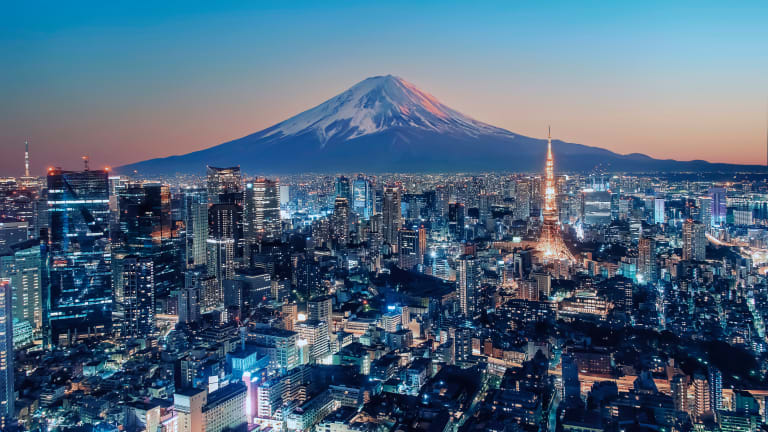
Tokyo is a vibrant and modern city, famous for its mix of traditional culture, technology, and unique neighborhoods.

Main attractions

Tokyo Tower and Tokyo Skytree offer amazing views of the city.

Shibuya Crossing is one of the busiest and most famous intersections in the world.

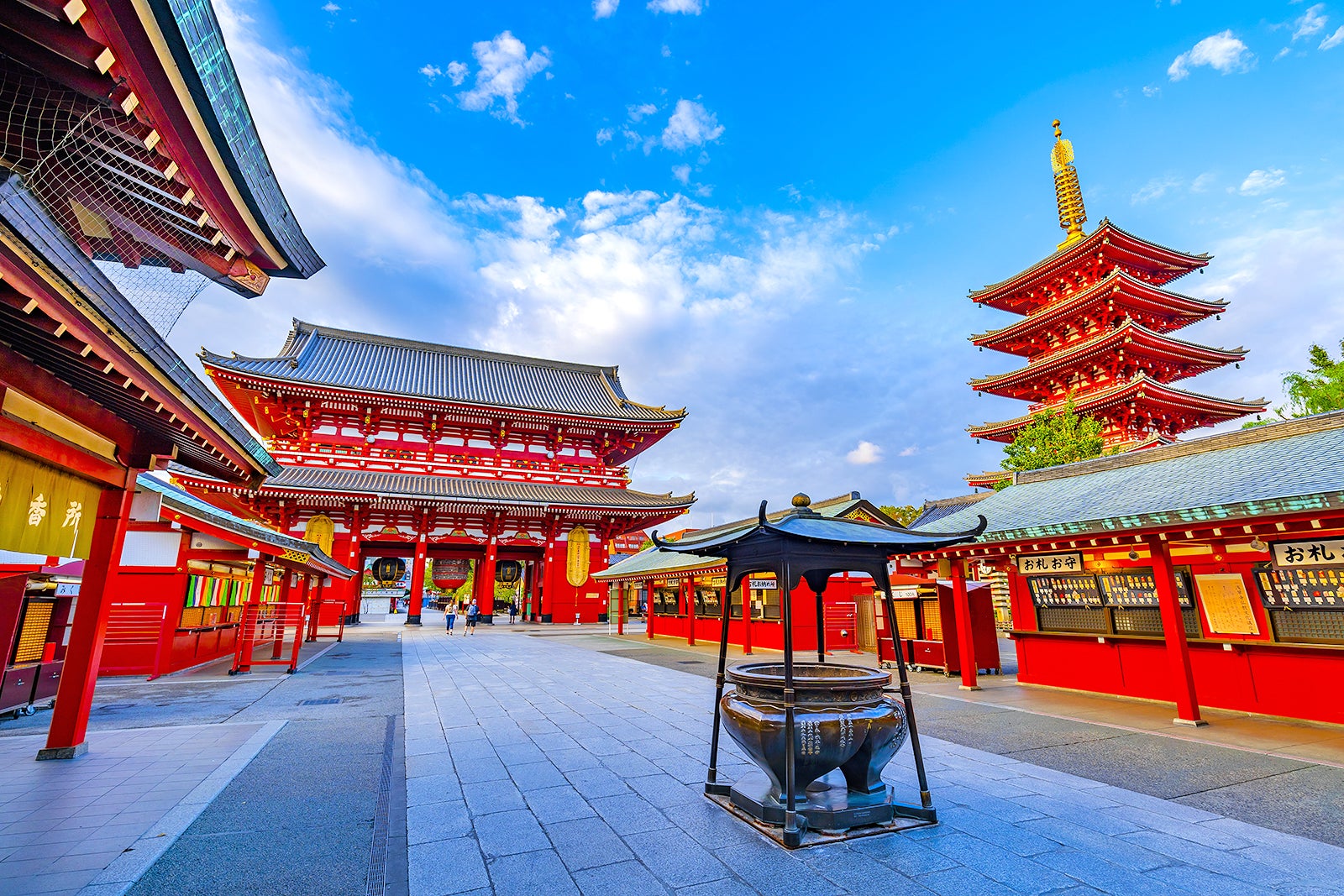
Senso-ji Temple in Asakusa is a historic Buddhist temple and popular tourist spot.

Akihabara is known for electronics, anime, and gaming culture.

City life

Tokyo is the capital of Japan and a global center for technology, fashion, and culture.

Each district has its own character, from traditional areas to modern shopping and entertainment hubs.

The city combines busy urban life with peaceful gardens, parks, and temples.

Culture & cuisine

Tokyo offers a mix of traditional Japanese culture and modern pop culture.

Famous foods include sushi, ramen, tempura, and street food snacks.

Festivals, tea ceremonies, and art exhibitions showcase Japanese culture.
Transportation

Tokyo has one of the best public transport systems in the world, including trains, subways, and buses.

The Shinkansen (bullet train) connects Tokyo to other major cities in Japan.

Best time to visit

Spring (March–May): for cherry blossoms (sakura).

Autumn (September–November): for colorful fall leaves.

Summer: popular for festivals and fireworks.

BRAZIL

Brazil is a large and diverse country in South America, famous for its natural beauty, vibrant culture, and lively cities.

Natural attractions

Amazon Rainforest is the largest tropical rainforest in the world, rich in wildlife and rivers.

Iguaçu Falls is one of the largest and most impressive waterfalls on Earth.

Beautiful beaches, such as Copacabana and Ipanema in Rio de Janeiro, attract tourists from around the world.

The Pantanal is a famous region for wildlife watching.

Cities

Rio de Janeiro: known for the Christ the Redeemer statue, Sugarloaf Mountain, and Carnival festival.

São Paulo: Brazil’s largest city, famous for culture, museums, and shopping.

Brasília: the capital city, known for its modern architecture and planned design.

Salvador: a historic city with strong African cultural influence, music, and colorful streets.

Culture & cuisine

Brazil is famous for music and dance, especially samba and bossa nova.

Popular foods include feijoada (bean and meat stew), churrasco (barbecue), and tropical fruits.

Festivals, especially Carnival, are major attractions for tourists.

Transportation

Brazil has airports, highways, and buses connecting major cities.

River travel is common in the Amazon region.

Best time to visit

Summer (December–March): ideal for beaches and Carnival.

Winter (June–August): good for exploring cities and inland areas with milder weather.

EGYPT

Egypt is a country in North Africa, famous for its ancient history, monuments, and the Nile River.

Main attractions

Pyramids of Giza and the Sphinx are world-famous ancient monuments.

Luxor and Karnak Temples showcase Egypt’s pharaonic history.

Abu Simbel temples are impressive sites built by Pharaoh Ramses II.

The Nile River offers cruises with views of historical sites.

Cities

Cairo: the capital city, with museums, bazaars, and historic mosques.

Alexandria: a coastal city on the Mediterranean with historic sites and libraries.

Aswan: famous for its Nile views, temples, and peaceful atmosphere.

Hurghada & Sharm El-Sheikh: popular Red Sea resorts for diving and beaches.

Culture & cuisine

Egypt has a rich history of pharaohs, hieroglyphics, and ancient civilizations.

Popular foods include koshari, ful medames, falafel, and fresh seafood.

Traditional music, dances, and festivals reflect the country’s heritage.

Transportation

Egypt has airports, trains, buses, and river boats along the Nile.

Domestic flights are common for traveling between major cities.

Best time to visit

Autumn and spring: ideal weather for sightseeing and exploring historical sites.

Winter: cooler temperatures, good for desert tours and outdoor activities.

ITALY

Italy is a famous European country known for its history, art, delicious food, and beautiful landscapes.

Main attractions

Rome: the capital city, home to the Colosseum, Roman Forum, and Vatican City.

Venice: known for its canals, gondolas, and historic architecture.

Florence: the heart of the Renaissance, with museums, art, and the Duomo.

Amalfi Coast and Cinque Terre: famous for stunning coastal scenery.

Cities

Milan: Italy’s fashion and design capital, with the famous Duomo di Milano.

Naples: gateway to Pompeii and known for authentic pizza.

Turin: historic city with museums, palaces, and chocolate traditions.

Siena & Bologna: rich in medieval history, art, and local cuisine.

Culture & cuisine

Italy is famous for art, architecture, music, and fashion.

Popular foods include pizza, pasta, gelato, espresso, and regional specialties.

Festivals, opera, and traditional crafts reflect Italy’s cultural richness.

Transportation

Italy has trains, buses, airports, and metro systems connecting major cities.

High-speed trains like Frecciarossa make travel between cities fast and convenient.

Best time to visit

Spring and autumn: best weather for sightseeing and avoiding large crowds.

Summer: perfect for coastal holidays, beaches, and festivals.

CHINA

China is a vast and diverse country in East Asia, famous for its history, culture, and natural landscapes.

Main attractions

Great Wall of China: one of the most famous landmarks in the world.

Forbidden City in Beijing: historic imperial palace with beautiful architecture.

Terracotta Army in Xi’an: thousands of life-sized statues guarding the tomb of Emperor Qin.

Guilin & Zhangjiajie: famous for stunning mountains, rivers, and natural scenery.

Cities

Beijing: the capital, known for history, palaces, and modern attractions.

Shanghai: a modern city with skyscrapers, shopping, and the Bund waterfront.

Xi’an: historic city famous for the Terracotta Army and city walls.

Chengdu: home to giant pandas and Sichuan cuisine.

Culture & cuisine

China has a rich history of dynasties, philosophy, and traditional arts.

Famous foods include dumplings, noodles, Peking duck, and hot pot.

Festivals like Chinese New Year and the Mid-Autumn Festival are widely celebrated.

Transportation

China has modern airports, high-speed trains, and extensive metro systems.

The high-speed railway network makes travel between cities fast and convenient.

Best time to visit

Spring (March–May) and autumn (September–November): ideal weather for sightseeing.

Summer can be hot, and winter can be cold, depending on the region.

Wild Horizons: Investigating the Far Side of the Familiar

By Artemis Papadopoulou, Konstandina Naka & Apostolia Naka

Travel is a word that is associated with well-known capitals, famous coastlines, and landmarks sealed up across social media and guidebooks. While these destinations can be notable, they show only one version of the world. Behind them there is another side of popular routes that haven’t been explored, where landscapes are wilder, cultures feel more familiar, and discovery seems more personal again.

Auvergne France

         Auvergne, France

This type of travel is not about trying to sidestep celebrated destinations, but about getting off course. For example, instead of staying only in Paris, travelers might be  headed south to the ragged landscapes of France’s Auvergne region, where hiking trails and quiet villages substitute mobs. Beyond Barcelona’s busy streets, the Priorat region  provides primitive towns, terraced vineries and an adequate and slower daily basis. These places share the same national identity as their famous neighbors, yet feel worlds apart.

Apennine Mountains Italy

Apennine Mountains, Italy

There are places that people don’t usually think about. But these show nature at its most powerful. The Dolomites are the most beautiful mountain range in Italy. On the other hand, the Apennine Mountains, extend the country on its length and are home to a lot of wildlife, incredible scenery, and hiking trails that attract lots of visitors. In the United States, crowds of travelers visit Yosemite or Yellowstone, while spots like the badlands of South Dakota or the North Cascades in Washington keep staying spectacular.  Here, landscapes are more independent and less managed, letting travelers to savor nature on its own terms, without limits.

Japanese

 Japanese Mountain

As you see beyond the ordinary, Travel will enrich your connections to culture. Obviously Tokyo and Kyoto are the most frequently visited cities, but areas of Japan that are primarily agricultural, such as the Noto Peninsula or the mountains in Shikoku would also be excellent places to see many of the traditional ways that were developed through isolation and community dependency. Medieval Festivals, family-run traditional hotels, and foods that cannot be found in all the larger cities (and which do not look like they were made for tourists) will give travelers an opportunity to experience how people live in these places.

vineyards

 Priorat Vineyards

The trend toward traveling to various destinations comes with certain responsible behaviors. Lesser known destinations are usually less protected and require respectful behavior and interactions. The slower we travel, the more opportunity these areas have to profit from visitors, as opposed to having their cultural identity changed by those who visit them. Thoughtfully exploring provides an opportunity for local communities to tell their story without having it taken from them.

 Cascades

   North Cascades

Looking at the unknown, we often discover unexpected differences between. It is common for Norway to associate the dramatic fjord in Geiranger as one of the main attractions, however, the north coast is home to equally stunning, yet less populated coastlines around Helgeland and places like quiet fishing hamlets, a true sense of local community and less of a tourist overload. Similarly, in Morocco, a visit to Marrakech evokes strong emotions of chaos and disorganization; however, the mountainous and desert oases found throughout the Anti-Atlas Mountains provide visitors with a much more peaceful perspective of Morocco. As such, many experiences whilst travelling here are very much about individual experience, rather than the busy hustle and bustle typically associated with tourism.

Atlas Mountains Morocco

Anti Atlas Morocco Mountain

At long last, travelling is not only about visiting far-away places, but also hidden gems that are located next to us. Travellers should consider to go off the beaten track and discover less obvious places. In spite of everything, where people choose to travel to, is surely to help them get to know the world from multiple prespectives, since they are to encounter many unique places .

Noto Peninsula Japan

North Peninsula Japan


Sources:


Christmas in London


By Apostolia Nikolaou


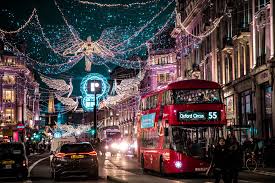
Christmas in London is a magical experience, with the city’s festive charm on full display.

In the 19th century, London embraced the Christmas season with a blend of nostalgia, elaborate decorations, and heartwarming traditions. Traditions that have shaped the way we celebrate Christmas all around the world.

Here are some of them:

  • Christmas gifting: Christmas gifting in London is a vibrant and exciting experience inspired by the Victorian era. Exchanging handmade gifts and small tokens of affection became customary.

Although, the Christmas spirit extended this lovely tradition beyond personal exchanges, and embraced charitable acts during the festive season. Now, Christmas gifting is the favorite Christmas tradition of most people, especially children.

  • Carol singing: Carol singing in London is a cherished Christmas tradition that brings festive cheer to the city and it’s a joyful way to celebrate the season.

London carolers sing traditional carols or popular songs. It depends on the situation. One of the most traditional forms of carol singing in London is going door-to-door. So, groups go from house to house singing for charity or treats, a cherished tradition in London neighborhoods. In addition, many local choirs and schools hold carol services, spreading holiday cheer in neighborhoods and churches.

Carol singing in London creates a magical atmosphere during the holiday season. The combination of beautiful music, festive decorations, and iconic landmarks makes the city come alive with Christmas cheer.
  • Christmas trees: The Christmas tree tradition was introduced to England in the early 19th century, largely thanks to Queen Victoria and her German-born husband, Prince Albert. Prince Albert, a German prince, is often credited with popularizing the custom in the UK. So, he set up a Christmas tree at his castle and by decorating it with sweets, candles and fruits the tradition quickly spread across Britain. Today, tree decorations range from traditional styles to more modern and themed designs, often involving LED lights, glittering baubles, and creative touches.
Other Christmas traditions in London are:

o   Christmas decorations

o   Christmas cards

o   Chocolate advent calendars

o   Pantomimes

In conclusion, Christmas traditions in London are a blend of historic customs and modern celebrations, creating a magical atmosphere throughout the city. The festive lights, holiday markets, and unique events add to the city’s charm. These traditions, deeply rooted in history yet continually evolving, ensure that Christmas in London remains a truly enchanting experience for all making London an ideal holiday destination for everyone interested in having fun and enjoying Christmas.

cl1


THE CITY THAT NEVER SLEEPS

By Christos Konstandakopoulos

Patras

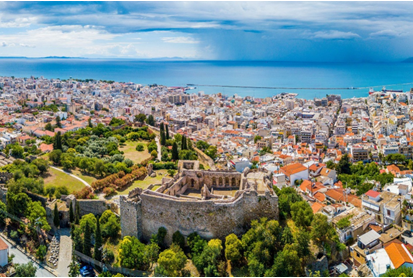
Patra is a beautiful city, located in western Greece. It boasts a mixture of rich history with modern architecture, of natural beauty with the warm hospitality of its people. Either by car or by boat, Patra is easy to reach and offers to its visitors a wide range of places to explore and things to do. Let’s take a look at some of the most popular ones.

Starting from the center of the city, where all the cultural life of the city begins, we have Georgiou I Square, with its impressive fountains. Do not miss the chance to watch a theater show at the nearby municipal Theatre Apollon, built in the 19th century in a neoclassical style.

From there, you have multiple other sites to explore, depending on your interests. If you are a fan of history, ascend to the Ano Poli, where you will find the church of Pantocrator and numerous numerous instances of Roman architexture. The most important of these is the Roman Odeon, which is still functional to this day and it is great for a summer show or concert. Additionally, the Byzantine Patras Castle is worth a visit, as it overlooks the whole city and its interior is a beautiful public garden. A few kilometers away there is the new Archaeological Museum, with local findings from the Mycenaean to the Late Roman era.

If you want to hang out in the busiest places of the city, there are still a lot of options to choose. Being a maritime city, Patra has places like the lighthouse and the jetty, where a lot of people go to enjoy their coffee. Four sets of stairs divide the upper town from the downtown, and they are all regarded as graphic spots to watch over the city. They are in some of the most important places in the city, namely in Agiou Nicolaou street, in Gerokostopoulou street, in Patreos street and in Trion Navarchon street. The last one is a pedestrian area, with a small park. Also being close to Psilalonia Square, it is regarded as the ‘culinary’ area of the city, together with Ifaistou Street. A lot of these restaurants are indeed worth a try!

One cannot argue they have visited Patra if they have not been to the following places. First, there is the church of St. Andrew, dedicated to the patron of the city, where parts of his remains are kept. It is the second-largest Byzantine-style temple in the Balkans and the largest one in Greece, with a capacity of more than 5000 within the church. Second, there is the Spinney of Patra, a pine-covered hill inside the city. Its specially-formed paths are great for recreational walks and jogging, complimented by the shade offered by the tall trees. Finally, before leaving, two places just outside the city are Achaia Clauss, a wine industry and tasting center in Petroto village and the Mycenaean cemetery of Voudeni, with some of the most important sites of the Mycenaean world.

Patra is not only known for its sites, but also for its tradition and culture. The Patra Carnival is the most well-known and well-attended spectacle, the largest such event in Greece. With a history of almost 200 years and deeply-rooted in the mentality of the citizens, every year the month of February transforms the city into one giant theme park. The festivities climax in the last weekend of Carnival with two grand parades. Its characteristics are spontaneity, improvisation, inspiration and volunteerism.

Combining the ancient and the modern sites, preserving the traditions and creating novelties, Patra is the city of the harmonic coexistence of oppositions. It is indeed a lively city that promises any aspiring travelers to have a great time exploring it.

JAPAN

By Lida Amaxa and Aneza Diakaki

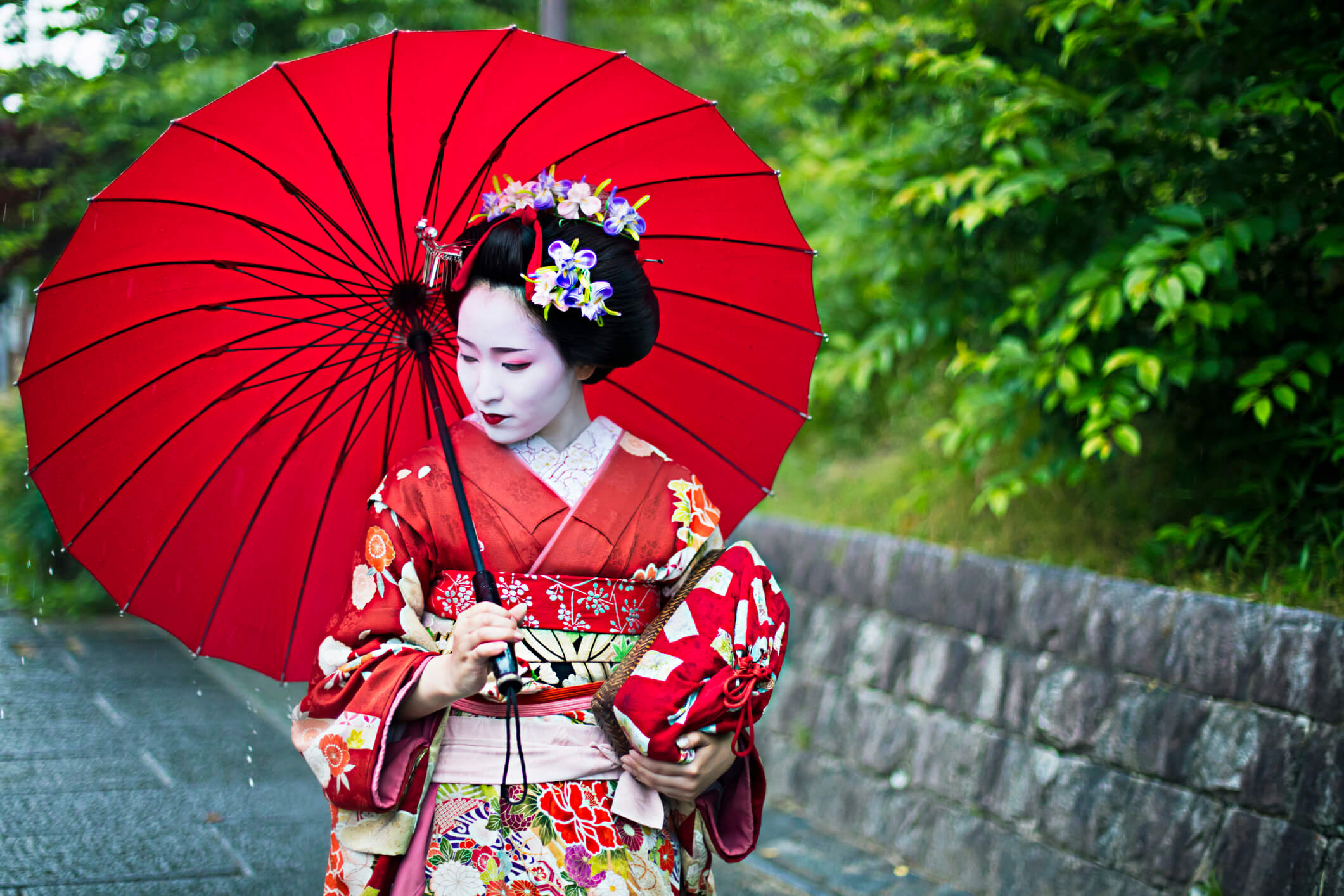
TOKYO japanese cuisine temple geisha

Japan is an island country of East Asia consisting of 125.440.00 residents. The word Japan that in Japanese is known as Nihon or Nippon means sun and start. That is because Japan is deemed as the country of the sun, and that is why the Japanese flag has a red circle in the center depicting the sun.

TOKYO

Starting with its capital “Tokyo”, Tokyo is a city populated with 13,96 million

residents. Its metropolitan area is the most populous in the world. It is considered as the Japan’s economic center and it is the seat of both the Japanese government and the Emperor of Japan. Tokyo is also the second-largest urban economy worldwide by gross domestic product after New York city.

CUISINE

Japan is worldwide known for its cuisine which is based on rice with miso soup and other dishes with an emphasis on seasonal ingredients. dishes often consist of fish, pickled vegetables, and vegetables cooked in broth. Seafood is common, often grilled, but also served raw as sashimi or in sushi. Seafood and vegetables are also deep-fried in a light batter, as tempura. Apart from rice, a staple includes noodles, such as soba and udon. Japan also has many simmered dishes, such as fish products in broth called oden, or beef in sukiyaki and nikujaga. Although we must say that Japan is mostly known for its sushi.

RELIGION

Religion in Japan is manifested primarily in Shinto and in Buddhism, the two main faiths, which Japanese people often practice simultaneously. Shinto is about worshiping ancestors and spirits at domestic altars and public shrines.

JAPANESE MANNERS

It is a fact that Japan unlike other countries has Some specific manners that its residents are following. Some of them are: Bowing, gift-giving, table manners, taking their shoes of when they are entering a house, miscellaneous tips etc.

https://schoolpress.sch.gr/speakingenglish1/files/2023/02/japanese-flag_b.pnghttps://schoolpress.sch.gr/speakingenglish1/files/2023/02/TOKYO.jpghttps://schoolpress.sch.gr/speakingenglish1/files/2023/02/japanese-cuisine.jpghttps://schoolpress.sch.gr/speakingenglish1/files/2023/02/temple.jpghttps://schoolpress.sch.gr/speakingenglish1/files/2023/02/geisha.jpg


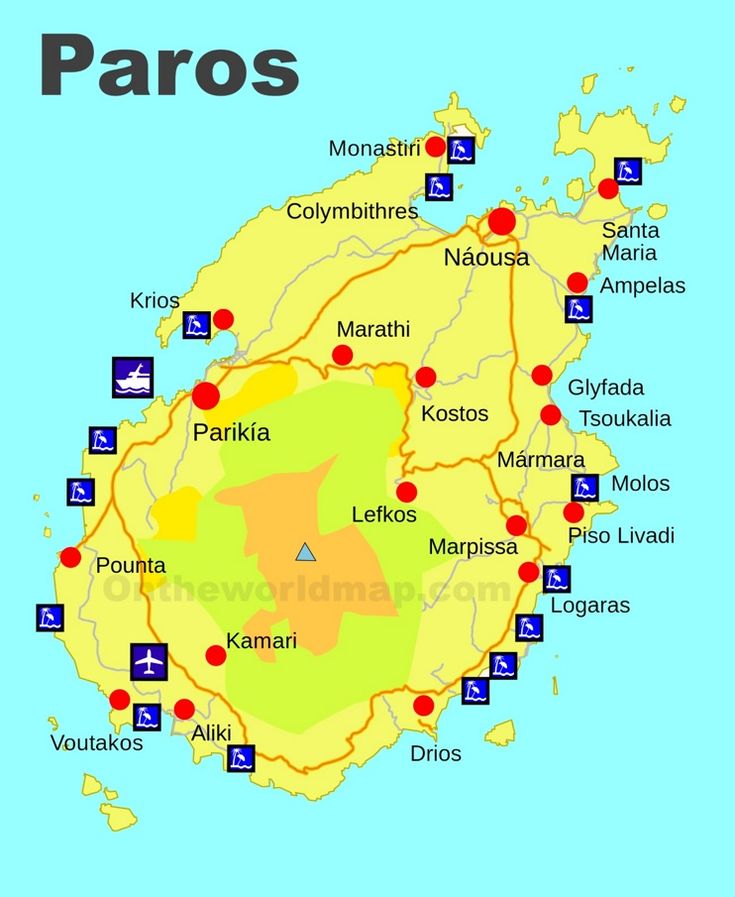
PAROS ISLAND

By: Vasiliki Giannarou

Historical information about the island…

• Before the Persian War, Paros used to belong to Naxos.
• Paros used to be one of the wealthiest islands of the Aegean Sea, possibly the wealthiest among the Cycladian islands.
• After 1204, Paros was owned by a Venetian duke.
• In 1537, the island was conquered by the Ottomans.

052d9e02e8a011668be6c0e83bcfd121

Where is it located?
Paros is a beautiful Greek island, located in the center of the Aegean sea. It is one of the islands that make up the Cyclades. Also, it is close to Antiparos and Naxos islands.

How to get there?
It is relatively easy to get to Paros. You can either reach it by ship or by plane. However, if you have already got to Antiparos, then there is a chance of going to Paros by car.

Did you know that?
Paros has been known for its white marbles. Even nowadays, it still has some old marble mints …

Where to stay in Paros?

Paros is an island known for its luxury hotels. Some of the best residences to stay for some days are considered to be those below:
• Cove Paros
• Summer senses luxury Resort
• Ammos Luxury Studios

Where to buy souvenirs?
• Buying souvenirs is something you surely look for, when visiting a new place. Paros is the ideal island to purchase magnets, jewellery, t-shirts, ingredients to cook local food…
• The most ideal places to seek for the above are:
• Eva’s Gifts
• Memories Jewellery
• Cecelia Art Paros

What to see/enjoy?

1. Golden beach
2. Parikia (village)
3. Naousa (village)
4. Panagia Ekatontapiliani (historic Byzantine church)
5. Archaeological Museum of Paros
6. Loud bars for unique nightlife
7. Katsouna tavern

Sources :
• https://en.wikipedia.org/wiki/Main_Page
• https://www.visitgreece.gr/el/islands/cyclades/paros/
• https://www.tripadvisor.com/Attractions-g189432-Activities-c26-t144-Paros_Cyclades_South_Aegean.html
• https://www.booking.com/

Photo sources:
• https://www.google.com/url?sa=i&url=https%3A%2F%2Fen.wikivoyage.org%2Fwiki%2FParos&psig=AOvVaw3oa1jRtVQdi_XZvGKbUhXP&ust=1664694445590000&source=images&cd=vfe&ved=0CAwQjRxqFwoTCKCGy4m7vvoCFQAAAAAdAAAAABAD
• https://www.google.com/search?q=paros&rlz=1C1GCEU_elGR826GR837&sxsrf=ALiCzsakV1bg9MMmJoyGAuAqpP8beynBdg:1664608041119&source=lnms&tbm=isch&sa=X&ved=2ahUKEwiOreyXvL76AhUWX_EDHU6zBSkQ_AUoAnoECAMQBA&biw=1920&bih=937&dpr
• https://www.visitgreece.gr/el/islands/cyclades/paros/

RHODES: THE ISLAND OF KNIGHTS

By Gkinis Nickos and Barouchas Vangelis

Rhodes is a Greek island located in the southeastern Aegean and it belongs to the Dodecanese. It is the largest island of the Dodecanese and the fourth largest in Greece. Its history goes back centuries, it has a rich natural environment, beautiful beaches with clear blue waters, and modern tourist infrastructure. In recent years it has experienced tremendous economic growth as it has developed into a popular tourist destination and attracts millions of tourists every year.

The island of Rhodes is located at the crossroads of two major sea routes of the Mediterranean, between the Aegean Sea and the coasts of the Middle East such as Cyprus and Egypt. Many civilizations have colonized the island, leaving their mark on all aspects of the island’s culture: in art, language, architecture. Its strategic location brought the island great wealth and made the city of Rhodes one of the prominent cities of ancient Greece.

The capital of the island, with the Medieval City in its center, is located in its north part. In 1988, the Medieval City was recognized as a World Heritage City. 

In the classical period, Rhodes produced excellent art. The Colossus was the most famous creation, one of the seven wonders of the world, built between 304 BC and 293 BC, by the Lindian sculptor Haris. The construction of the Colossus lasted 12 years and was completed in 282 BC. For many years, the statue was probably placed at the entrance of the harbor and personified the god Helios, the god of the sun, until a powerful earthquake hit Rhodes in 226 BC. The city was severely damaged and the Colossus statue collapsed. Archeologists are still searching for leftovers of the statue, but so far no solid evidence has been found.

TOP 10 PLACES TO VISIT AT RHODES

The island has a multitude of famous places which are definitely worth visiting.


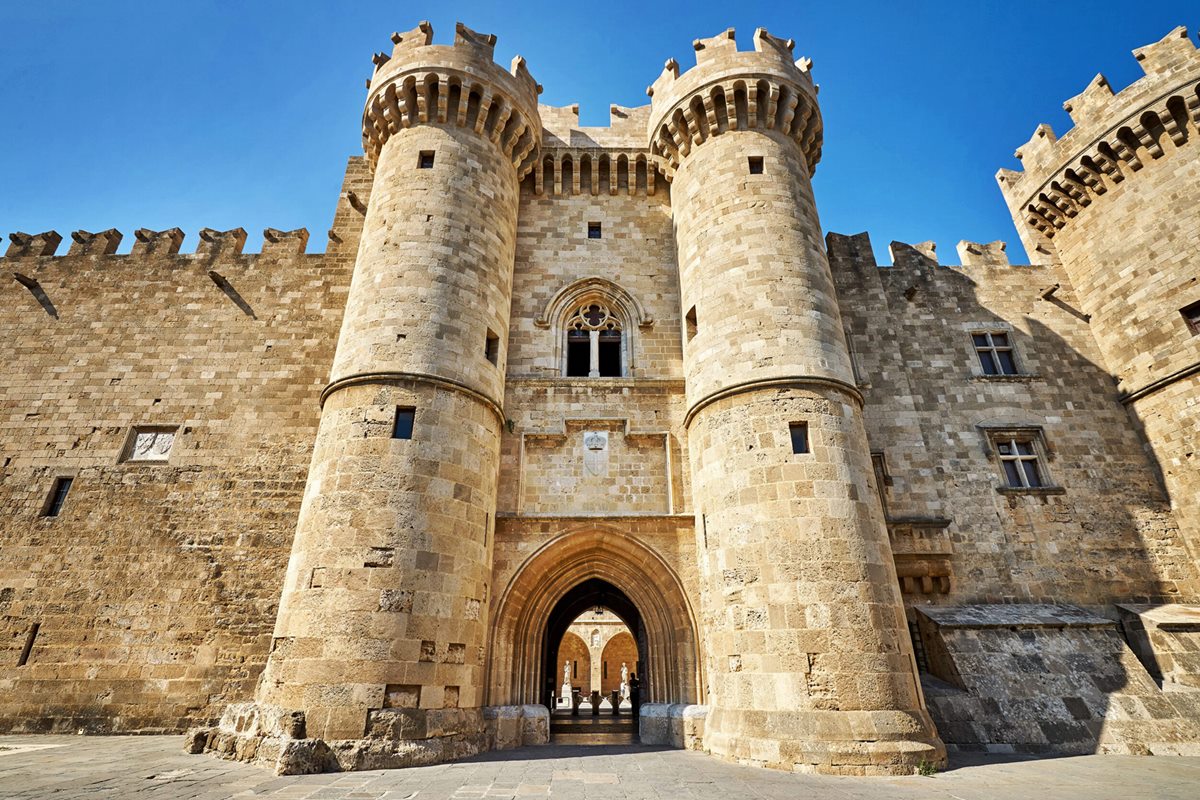
1. If you are a lover of history and archaeological sites – museums, you should visit one of the most well-preserved castles in the world, the palace of the Grand Master of the Knights or Castello. It is located on the northwest side of the medieval city of Rhodes at the highest point of the castle and it is perhaps the most important monument of the period of the knights.

rhodes99

  1. The Archaeological Museum of Rhodes is housed in a medieval building of Gothic style with renaissance elements which was built on the ruins of a Roman building in 1440 by the Grand Master De Lastique and completed fifty years later by the Grand Master Pierre d’Aubison. There, you can admire many Roman artifacts.


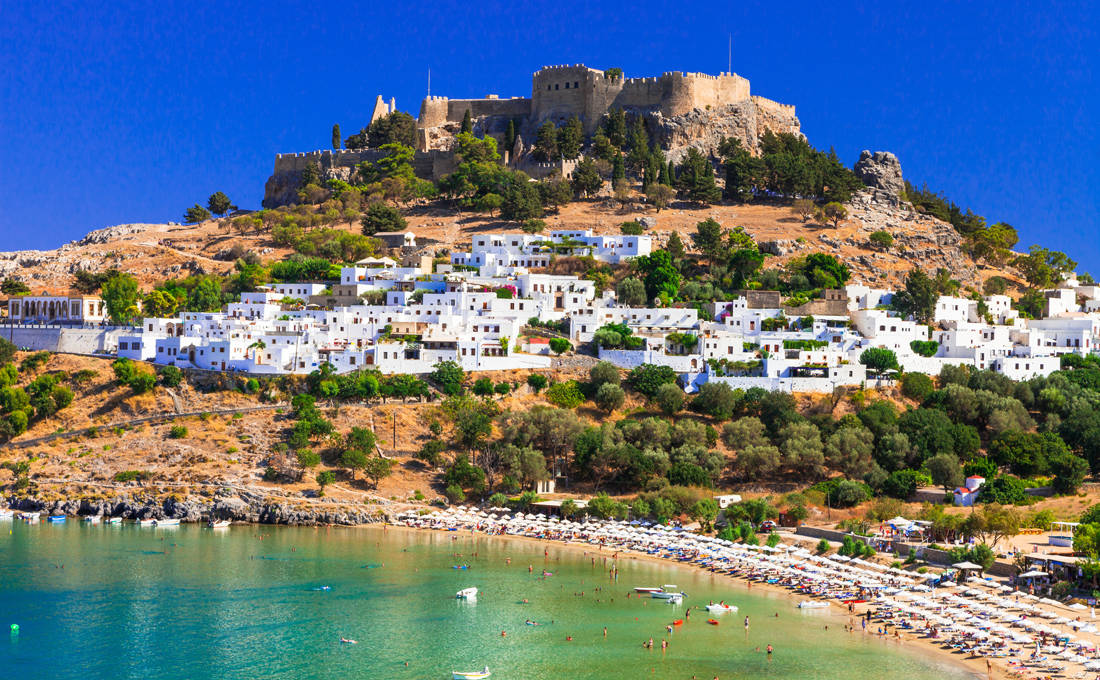
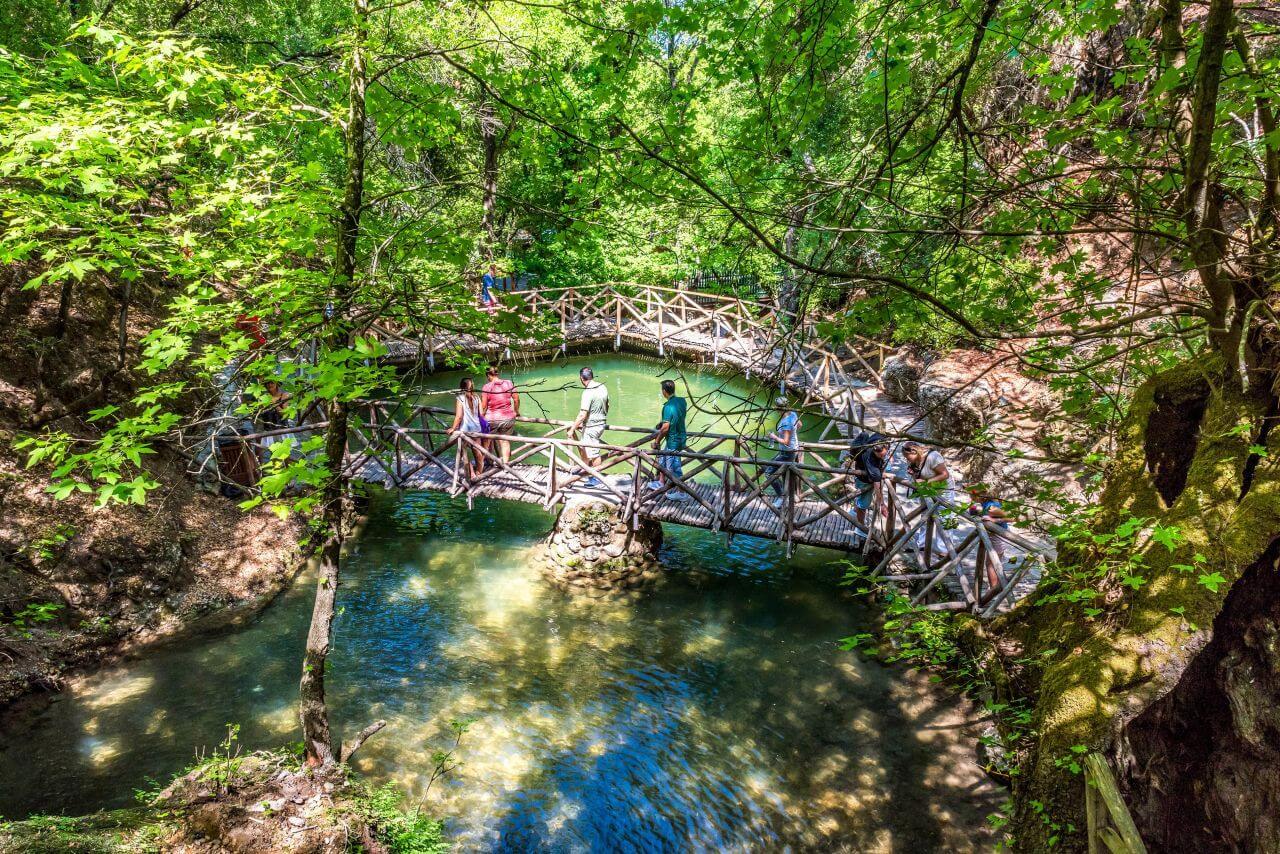
  1. Lindos is a traditional settlement on the island of Rhodes. It has a long history, as it was one of the three ancient cities on the island. In addition, it has a very rich tradition. It is visited by thousands of tourists worldwide, as the Acropolis of Lindos offers an awesome view and the landscape around it is breathtaking. The sunset there is one of the best you will ever see.

KLIK_LINDOS_588105089

  1. The Butterfly Valley is a natural habitat on the island of Rhodes. There you can admire many species of butterflies, one of which, the Panaxia Quadripunctaria, is very rare. A visit there should absolutely be included in your travel program.rhodes-valley-of-butterflies-top-1-1280-2


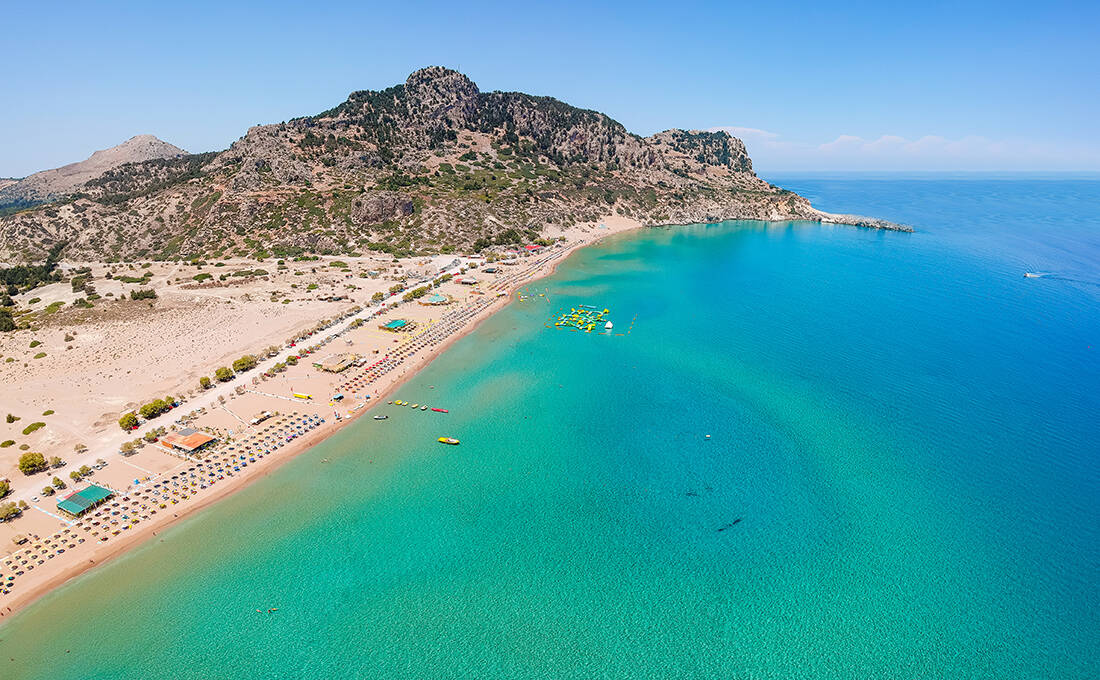
  1. The beach of Tsambika is the most popular coast of Rhodes. It is a fairy-tale sandy beach with clear blue waters. There, there are many restaurants, beach bars, and cafes for visitors.

KLIK_shutterstock_1458340361

  1. Faliraki is one of the most cosmopolitan seaside resorts in the world. It is a wonderful bay with a golden beach of 6.5 kilometers which stretches northeast of the island of Rhodes. At Faliraki, you will find numerous restaurants, bars, and clubs, as it is well known for its nightlife.

  1. Ancient Kameiros is located at the south edge of Rhodes. It flourished from the archaic to the Hellenistic period and was one of the most important cities on the island. It was built overlooking the sea and it had no fortifications. Ruins of houses, the ancient Agora, a Doric temple and the temple of Athena were found. Nowadays, the archeological site is visited by hundreds of tourists.

  1. The hill of Monte Smith rises in the western part of the city of Rhodes. The archaeological site of the Acropolis of Rhodes, with buildings dating back to the Hellenistic and Late Hellenistic Periods, is located there. The acropolis did not have fortifications like the older ones. Sanctuaries, large temples, public buildings, and underground places of worship are situated on the hill. 

GASTRONOMY: A HIGHLIGHT OF THE ISLAND

The island of Rhodes is famous for its traditional cuisine. The basis of Rhodesian cuisine is mainly wheat and olives, as the main advantage of the island is its fertile soil, which yields a rich crop. There are tasty meat dishes, fresh fish and seafood, cool salads, and a wide variety of sweets and desserts made from cereals, olive oil, nuts, fruits, honey, and herbs.

Traditional dishes

During your stay on the island of the Knights, don’t forget to try the local specialties that will lift your culinary mood! Among the appetizers offered by the cuisine of Rhodes, try the unique Rhodesian pitaroudi (chickpea meatballs with plenty of chopped mints, onions, and a tomato fried in hot oil), pumpkin meatballs, dolmades with lentils in cyclamen leaves.

Among the main dishes, you should try vlitas and yachni sliders, stuffed vegetables (from tomatoes and peppers to pumpkin flowers or onions), kolokoudi (pumpkin) in the oven, mullet beans with tomato and pepper, carabolos (snails with onions and pleghouri), goat meat in pydiako (narrow and tall earthen tsoukali), chicken with pleghouri, spetzofai and chicken with loukumi (a type of pasta), lopi (goat meat with dry beans or chickpeas). A very special dish and a favorite of the locals are the amarangos, which are eaten boiled with vinegar, accompanied by garlic.

Last but not least, Rhodes’ cuisine does not lack fine cheeses (hard, soft and semi-hard), which are mainly produced in the mountain villages.


Restaurants

The island of Rhodes has many great restaurants so here is a list of our suggestions:

  1. Alexis 4 Seasons: Situated in an impressive historical building at the center of the Medieval city, this restaurant is a must when it comes to seafood. The beautiful garden and the stone-built interior make for a great environment and a very pleasant eating experience. 

  1. Drosoulites – Rakadiko: From incredible flavors to very economical prices, this restaurant is definitely worth trying out. The staff is very friendly and the live music gives the place a very pleasant touch.

  1. 4 Rodies(4 Pomegranates): One of the best restaurants on the island. Very clean and professional. The very friendly reception and the multitude of amazing dishes on the menu will make you want to come back!

ACCOMMODATION

There is a wide variety of hotels, rooms, and houses for the guests to stay on Rhodes Island. The best are:

1.   Rodos Palace at Ixia

2.   Amada Colossos Resort at Faliraki

3.   Grecotel Lux.Me Dama Dama at Kallithea

ACCESS

Guests can reach the island by plane or by ship. Here is some information about the airport and the ports:

Airport

The International Airport «Diagoras» of Rhodes is located 16 km southwest of the city of Rhodes, in the village of Paradisi. It began operating on 28 June 1977, replacing the outdated for civil use airport which was located a few kilometers further east, in the area of ​​Maritsa, and which is currently a military airport. The parking floor of aircraft covers a total area of ​​110,600 sq.m. with the possibility of parking 13 aircraft, while the airport building has an area of ​​20,753 sq.m., with a capacity of 1,700 passengers, with expansion and improvement projects to continue.  Traffic control is supported by approach radar, while there is also an automated flight plan management system. The airport operates all year round, while services that are offered include rental cars, car parking, and a duty-free shop. While it is a relatively small airport, it is served by a long list of airlines and was actually the fourth busiest airport in Greece as of 2019.

Ports

All things considered, the island of Rhodes is definitely a unique destination which combines many different experiences that definitely cannot fit into one article. Its beautiful natural landscape, its many different beaches, and its traditional settlements will make you plan your trip to the island sooner than you expected!

The port of Mandraki

Near the historic city, there is the port of Mandraki, where many ships anchor. There are commercial facilities near, inside, or outside the port. Water and electricity can be supplied at the dock. There are also toilets and showers.

The port of Nea Marina

Since 2015 the new marina of Rhodes has been in operation. It is located about 2 miles south of the port of Mandraki. Here you can find cafes and offices. The historic town can be reached by taxi in 5 minutes. The Marina has its gas station and all other provision and supply facilities.

A GENERAL COMMENT

All things considered, the island of Rhodes is definitely a unique destination which combines many different experiences that definitely cannot fit into one article. Its beautiful natural landscape, its many different beaches and its traditional settlements will make you plan your trip to the island sooner than you expected!

Liechtenstein

Liechtenstein

The least known country in Europe

By Chris Stefanopoulos

1

Political geography:

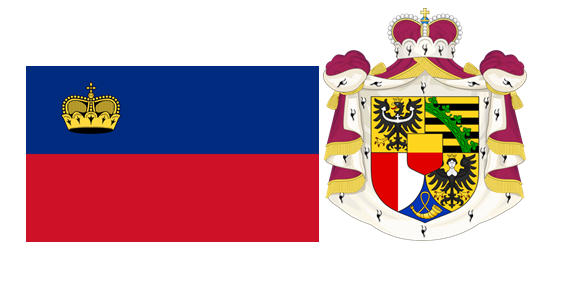
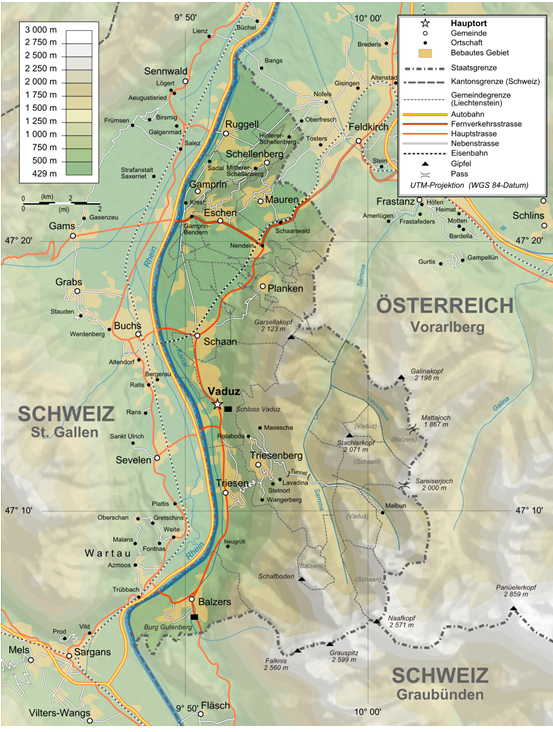
Liechtenstein is a German-speaking microstate with a population that is estimated at 38.000 people and it is the sixth smallest country in the world. Liechtenstein is located between Austria and Switzerland, its size is about 162 square kilometers and only 25 kilometers long and 9, 4 kilometers wide. It is also one of the two doubly landlocked nations in the world, the other one being Uzbekistan. The capital is Vaduz with a population of 5.200 people and it is the second largest city of the country, the first one being Schaan with approximately 500 more people.

 2

 Places of interest:

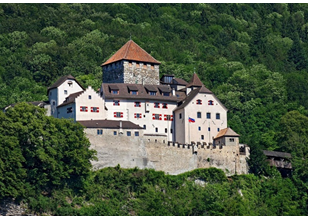
The prince’s castle in Vaduz:

3

Malbun, with its famous ski resort:

4

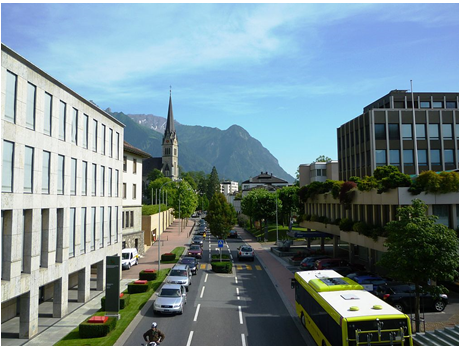
The main square:

5

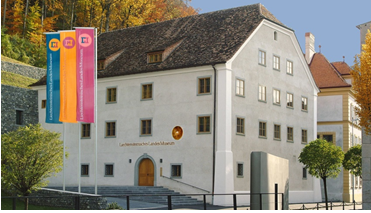
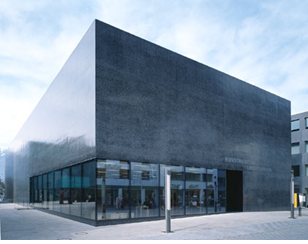
The national museum:

6

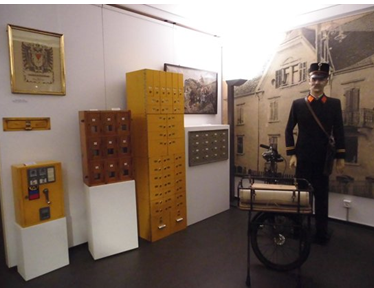
The postage stump museum:

7

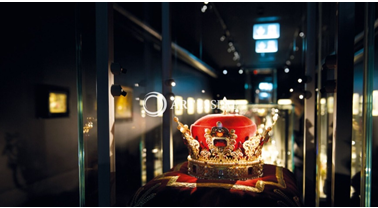
Schatzkammer treasure chamber:

8

The Kunst museum:

9

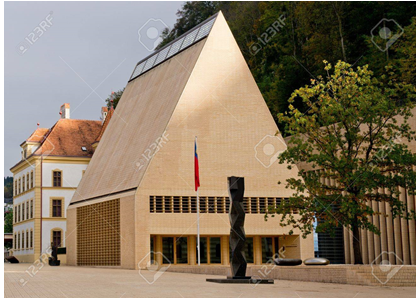
The Landtag, the parliament building:

10

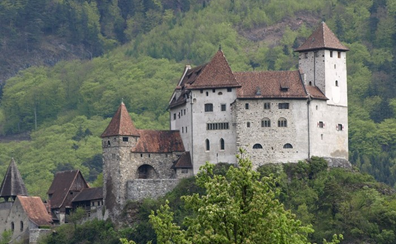
Balzer gothic castle:

11

History:

  • At first there were the two small Holy Roman Empire earldoms Vaduz and Schellenberg
  • At 1712 Josef Johann Adam Von Liechtenstein he purchases both of them, hence joining the two together and creating the country.
  • At the Napoleonic wars napoleon decides not to invade due to the well-respected military commander and prince Johann I Joseph and the country remains independent.
  • At Astro Prussian war Liechtenstein is able to avoid any losses.
  • At ww2 Hitler decided not to invade due to the insignificant size of the country


“Friend zone’’ of Liechtenstein:

Liechtenstein is generally neutral and it gets along with everyone, especially it’s German-speaking cousins Germany, Austria and in particular Switzerland. Switzerland is considered Liechtenstein’s best friend and it’s acting like the protector of it.

12

Facts for visitors:

  • Liechtenstein has one of the biggest GDP per capita in the world.
  • Liechtenstein is actually a monarchy.
  • They use the Swiss franc as their currency.
  • They use the type J plug outlet.
  • They drive in the right side of the road.
  • They have extremely rich prices literally for everything.
  • They have very low criminality.


13

14

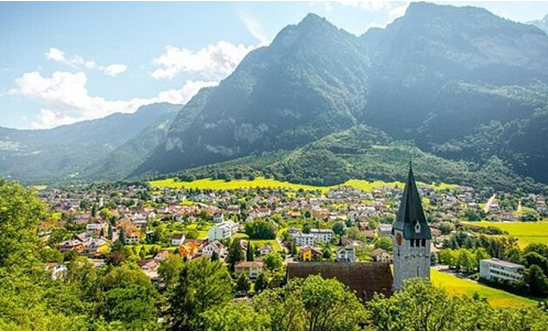
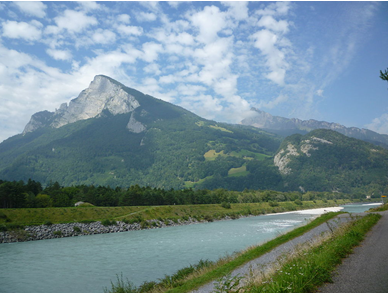
Liechtenstein is a wonderful place in the Alps and it has some amazing features that everybody must see once in their life.

15

Sources:

https://en.wikipedia.org/wiki/Liechtenstein

PRESENTATION OF LAMBORGHINI EGOISTA

By Augustinus Gikas and Kostas Mazarakis

lamborghini-egoista-1

Lamborghini Egoista! There are no words to describe this car. An incredible car that was designed by Walter de Silva to celebrate the 50th anniversary of Lamborghini’s establishment.

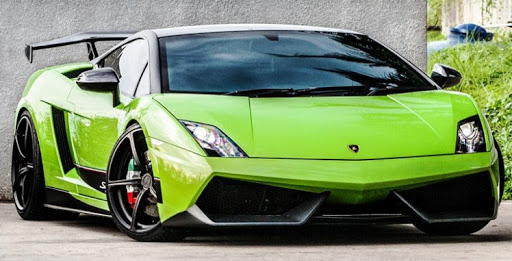
This car uses the latest technology and is unique in it’s kind. It’s amazing design brings to the minds of people who see it the shape of a shark. However the whole project was based on the Gallardo, another car of Lamborghini’s industries.

 lamborghini gallardo

          The unique one-seat cockpit is similar to that of a fighter jet, and has a canopy door that is completely removable. The steering wheel must be removed to enter and exit vehicle like a Formula One car.

Lamborghini_Egoista_03pop

The lighting resembles that of a modern airplane, with side markers and indicators on the sides and top of the car as well as front and rear. The bodywork consists of active aerodynamic panels that raise and lower for optimum downforce and stability. The body and wheels are made of antiradar material to even more identify with fighter jets.

It features a 5.2L v10 engine producing 600hp. Is a very fast car. It is an all-wheel-drive car so has fast acceleration but it’s top speed is reduced because of this. It’s top speed is 305kmh. The cost of the car is estimated at 117 million dollars.

Source: https://video.link/w/gvC2b

Information about the Western European Capital Cities

By Evangelos Zikos & Evangelos Kalogeris

11

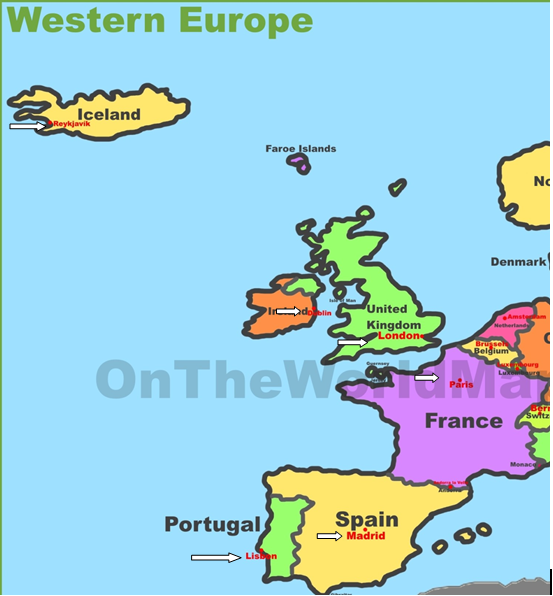
  • Reykjavik

 12

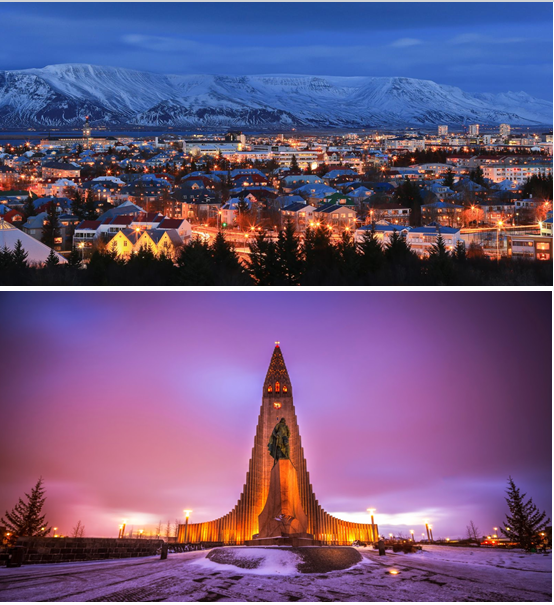
Reykjavík is the capital and largest city of Iceland. It is located in southwestern Iceland, on the southern shore of Faxaflói bay. Its latitude is 64°08′ N, making it the world’s northernmost capital of a sovereign state. With a population of around 131,136 (and 233,034 in the Capital Region),] it is the center of Iceland’s cultural, economic, and governmental activity, and is a popular tourist destination.


  • DUBLIN

13

Dublin is the capital and largest city of IrelandSituated on a bay on the east coast, at the mouth of the River Liffey, it lies within the province of Leinster. It is bordered on the south by the Dublin Mountains, a part of the Wicklow Mountains range. It has an urban area population of 1,173,179while the population of the Dublin Region (formerly County Dublin) as of 2016 was 1,347,359The population of the Greater Dublin Area was 1,904,806 per the 2016 census.


  • LONDON

14

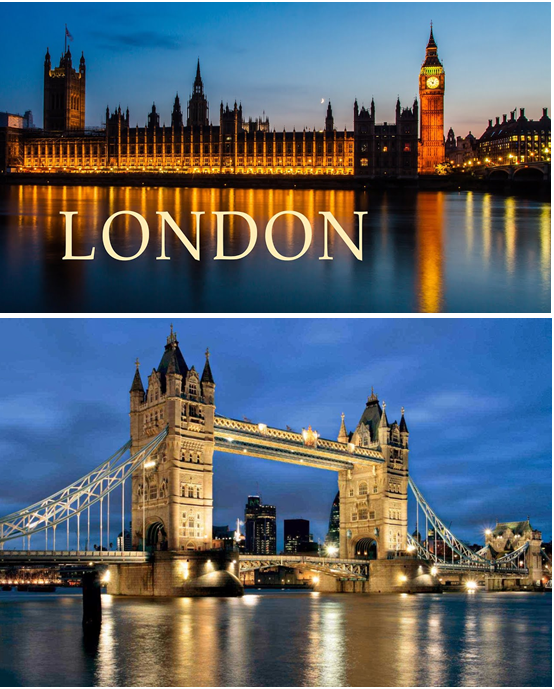
London is the capital and largest city of England and the United Kingdom. The city stands on the River Thames in the south-east of England, at the head of its 50-mile (80 km) estuary leading to the North Sea. London has been a major settlement for two millennia. Londinium was founded by the Romans. The City of London, London’s ancient core and financial centre − an area of just 1.12 square miles (2.9 km2) and colloquially known as the Square Mile − retains boundaries that closely follow its medieval limits][note 1] The adjacent City of Westminster is an Inner London borough and has for centuries been the location of much of the national government. Thirty one additional boroughs north and south of the river also comprise modern London. London is governed by the mayor of London and the London Assembly.


  • PARIS

15

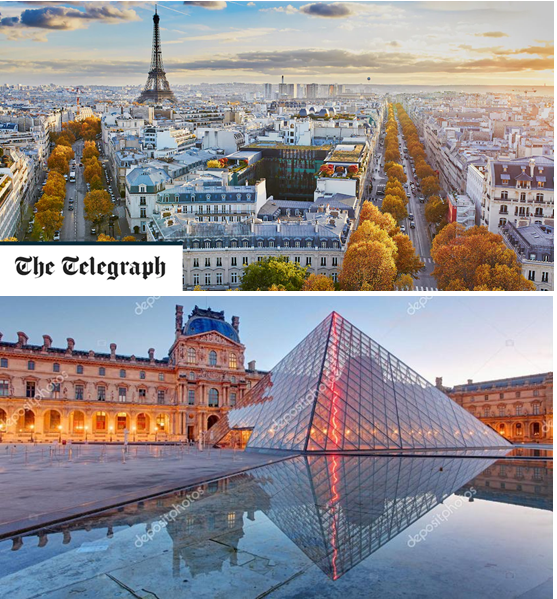
Paris is the capital and most populous city of France, with an estimated population of 2,148,271 residents as of 2020, in an area of 105 square kilometres (41 square miles).[1] Since the 17th century, Paris has been one of Europe’s major centres of finance, diplomacy, commerce, fashion, science and arts. The City of Paris is the centre and seat of government of the Île-de-France, or Paris Region, which has an estimated official 2020 population of 12,278,210, or about 18 percent of the population of FranceThe Paris Region had a GDP of €709 billion ($808 billion) in 2017According to the Economist Intelligence Unit Worldwide Cost of Living Survey in 2018, Paris was the second most expensive city in the world, after Singapore, and ahead of Zürich, Hong Kong, Oslo and Geneva Another source ranked Paris as most expensive, on a par with Singapore and Hong Kong, in 2018.


  • MADRID

16

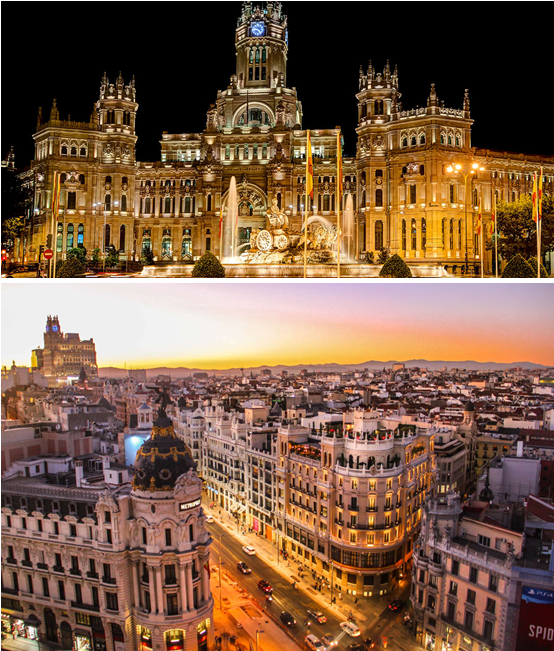
Madrid is the capital and most-populous city of Spain. The city has almost 3.3 million inhabitants and a metropolitan area population of approximately 6.5 million. It is the second-largest city in the European Union (EU), surpassed only by Berlin, and its monocentric metropolitan area is the second-largest in the EU, surpassed only by Paris.The municipality covers 604.3 km2.


  • LISBEN

              17

Lisbon] is the capital and the largest city of Portugal, with an estimated population of 505,526 within its administrative limits in an area of 100.05 km2. Lisbon’s urban area extends beyond the city’s administrative limits with a population of around 2.8 million people, being the 10th-most populous urban area in the European Union. About 3 million people live in the Lisbon metropolitan area, which represents approximately 27% of the country’s population. It is mainland Europe’s westernmost capital city and the only one along the Atlantic coast. Lisbon lies in the western Iberian Peninsula on the Atlantic Ocean and the River Tagus. The westernmost portions of its metro area, the Portuguese Riviera, form the westernmost point of Continental Europe, culminating at Cabo da Roca.


Main source https://www.wikipedia.org/

Όροι Χρήσης schoolpress.sch.gr | Δήλωση προσβασιμότητας
Top